

Hospital Information Management System (HIMS): Features, Benefits and Trends
A hospital information management system (HIMS) is software that runs a hospital’s clinical, administrative and financial work on one platform: patient registration, electronic health records, scheduling, pharmacy, lab, billing and reporting. It replaces separate systems and paper handoffs, so staff see the same patient record and managers see the same numbers.
A hospital information management system (HIMS) is no longer optional; it’s a cornerstone for streamlining operations, enhancing care quality, and ensuring compliance. Healthcare providers face increasing demands for operational efficiency, cost reduction, and improved patient experiences. These challenges make adopting cutting-edge HIMS critical. Partnering with an experienced software development company is key to creating systems tailored to these needs. Savvycom, a leader in software outsourcing in Vietnam, has empowered hospitals with HIMS solutions that enhance operational efficiency and reduce costs.
This article delves into the essential features of HIMS and the transformative impact it can have on healthcare delivery, backed by real-world examples and statistics. Let’s explore how HIMS is transforming healthcare operations globally.
Hospital Information Management Systems (HIMS)
Understanding Hospital Information Management Systems
Hospital Information Management Systems (HIMS) are comprehensive digital platforms designed to manage various aspects of hospital operations. They integrate data from patient registration, electronic health records (EHR), appointment scheduling, billing, and resource management into a centralized system. HIMS provide real-time access to critical information, enabling healthcare professionals to make data-driven decisions that enhance patient care and streamline administrative processes.
At its core, HIMS aim to:
- Improve Data Accessibility: Centralizing patient records and operational data.
- Enhance Coordination: Facilitating seamless communication among departments.
- Optimize Resource Allocation: Enabling efficient management of hospital resources.
- Ensure Regulatory Compliance: Adhering to standards such as HIPAA, GDPR, and PCI DSS.
These systems are fundamental in transforming traditional, paper-based operations into efficient, digital workflows that support continuous improvement and innovation in healthcare.
Key Features of Hospital Information Management Systems
Real-Time Data Integration and Analytics
A major advantage of Hospital Information Management Systems is their ability to aggregate and analyze data in real time. By integrating information from various sources, such as EHR, laboratory systems, and appointment scheduling software, HIMS provide dynamic dashboards that display vital performance metrics. This real-time data integration enables hospitals to monitor patient flow, track resource utilization, and make informed decisions quickly.
Comprehensive Electronic Health Records (EHR) Integration
One of the core components of HIMS is EHR integration. A unified EHR system ensures that all patient data, including medical history, test results, and treatment plans, are stored securely and accessed easily by healthcare professionals. This comprehensive integration improves the accuracy of clinical decision-making and enhances continuity of care.
Automated Workflow and Scheduling
HIMS streamline daily operations through automated workflows that handle patient registration, appointment scheduling, and resource management. Automation minimizes manual errors, reduces processing times, and ensures that all tasks are completed efficiently. This leads to shorter wait times, more effective patient scheduling, and improved overall efficiency.
Robust Security and Compliance
Security is paramount in healthcare data management. Hospital Information Management Systems come equipped with advanced security features such as encryption, secure access controls, and continuous monitoring to protect sensitive patient information. These systems help healthcare providers comply with regulatory standards like HIPAA and GDPR, ensuring data integrity and patient privacy.
Interoperability and Integration with Legacy Systems
Modern HIMS are designed to seamlessly integrate with existing hospital infrastructure, including legacy systems and third-party applications. This interoperability ensures a smooth flow of data across all platforms, reducing information silos and enabling a unified approach to patient care.
- Insight: Integrated systems facilitate improved decision-making and operational efficiency by providing a holistic view of hospital operations.

Benefits of Hospital Information Management Systems
Enhanced Patient Care and Clinical Outcomes
By providing clinicians with immediate access to comprehensive patient data, HIMS improve diagnostic accuracy and treatment planning. This leads to better patient outcomes, enhanced care coordination, and a higher overall quality of care.
Operational Efficiency and Cost Savings
Automating routine administrative tasks reduces manual workloads, minimizes errors, and lowers operational costs. Hospitals can reallocate saved resources to direct patient care, ultimately leading to improved efficiency and reduced overhead expenses.
Data-Driven Decision Making
Real-time analytics and reporting tools within HIMS enable hospital administrators to monitor key performance indicators (KPIs) and make informed, data-driven decisions. This enhances resource management, helps identify areas for improvement, and supports strategic planning.
Improved Collaboration Across Departments
HIMS break down communication barriers by centralizing data and making it accessible to all relevant departments. This fosters collaboration between clinicians, administrators, and support staff, leading to coordinated efforts and improved patient care.
Scalability and Future-Proofing
As hospitals expand and evolve, HIMS offer scalable solutions that grow with the organization. This flexibility ensures that the system remains effective in managing increasing patient volumes and adapting to new regulatory requirements, thereby providing long-term value.
Get in touch with Savvycom for a free consultation. We’ll help you decide on next steps, explain how the development process is organized, and provide you with a free project estimate.
What a HIMS Project Looks Like in Practice
Most hospitals do not replace every system at once. A typical project starts with the workflow that causes the most friction, often booking, registration or billing, connects it to the patient record, and then adds further modules department by department.
Case: Simpler Surgery Booking for a U.S. Specialist Hospital
A premier U.S. healthcare institution specializing in Pectus Excavatum repair surgery found that scheduling surgery appointments often required multiple steps or phone calls, and missed or delayed appointments were not uncommon. Savvycom built a responsive web platform with simple appointment booking, direct communication with doctors and clear information about the procedure. Read the surgery booking case study.
One Platform Instead of Separate Systems
For hospitals that want the full scope, SavvyHIS brings more than 40 modules, from patient reception and clinical care to pharmacy, laboratory, billing and insurance, into one platform and supports four care settings. Teams that need custom work around an existing system, such as integration with labs, insurers or a national health record, can start from our healthcare IT solutions.
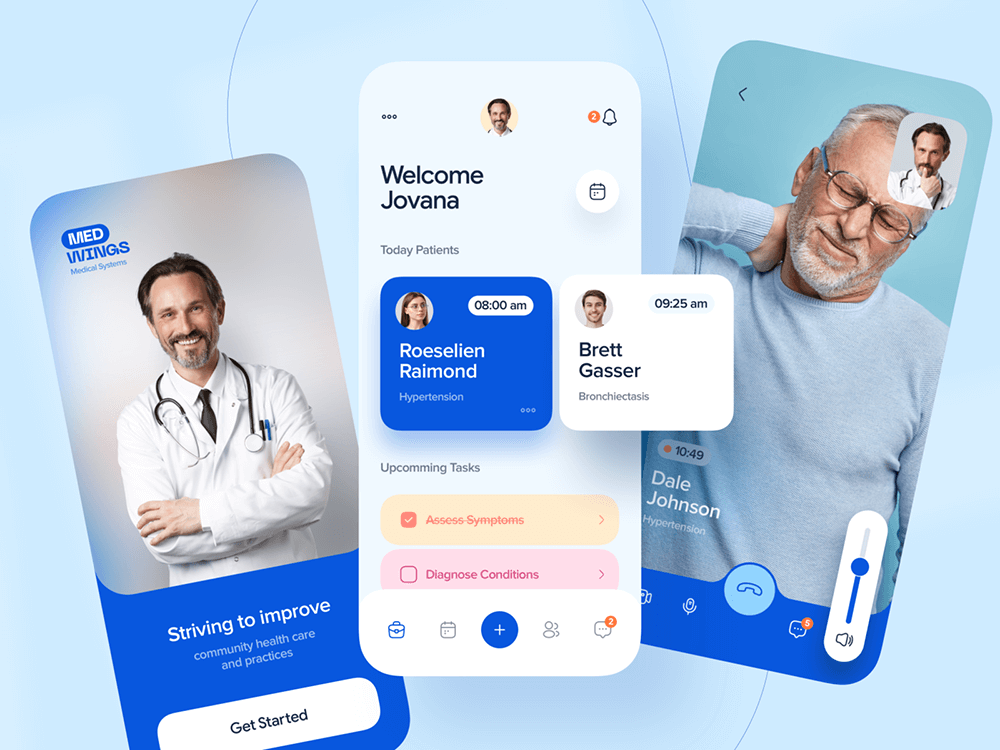
Future Trends in Hospital Information Management Systems
1. Integration with AI and Machine Learning
The integration of AI and machine learning into HIMS will enhance predictive analytics, automate routine tasks, and optimize resource allocation. AI-driven insights can forecast patient admission trends and improve clinical decision-making.
2. Expansion of Cloud-Based Solutions
Cloud computing is set to further revolutionize HIMS by offering scalable, flexible, and cost-effective solutions. Cloud-based systems enable real-time data access and seamless integration with other hospital IT systems, which can lower the cost of running on-premise servers.
3. Enhanced Interoperability and Integration
Future HIMS will focus on improving interoperability between various healthcare systems, such as EHR, HIS, and patient management platforms. This seamless integration will provide a unified view of patient data, enabling better care coordination and more efficient operations.
4. Increased Emphasis on Cybersecurity
With the rise in cyber threats, HIMS will incorporate more advanced security measures, including end-to-end encryption and continuous monitoring, to protect sensitive patient data. Robust cybersecurity is essential for maintaining regulatory compliance and safeguarding patient privacy.
5. Adoption of IoT and Wearable Technologies
The integration of IoT devices and wearable technologies with HIMS will provide real-time monitoring of patient health, enabling more proactive care and better clinical outcomes. This trend will further drive the need for advanced data analytics and predictive maintenance in healthca
FAQs: More about Hospital Information Management Systems
What is a hospital information management system (HIMS)?
A HIMS is software that manages a hospital’s clinical, administrative and financial operations in one system. It usually covers patient registration, electronic health records, appointment scheduling, pharmacy, laboratory, billing and reporting, so every department works from the same patient data.
What is the difference between a HIMS and an EHR?
An electronic health record (EHR) holds a patient’s clinical information: history, diagnoses, medications and test results. A HIMS is broader. It normally includes an EHR module plus the operational side of the hospital, such as admissions, bed management, inventory, billing and insurance claims.
What are the main modules of a HIMS?
Common modules are patient registration and admission, outpatient and inpatient management, EHR, appointment scheduling, pharmacy, laboratory and radiology, billing and insurance, inventory, staff management and management reporting. Many hospitals roll them out in phases, starting with registration, EHR and billing.
How long does it take to implement a HIMS?
It depends on the number of modules and sites, how much data has to move from old systems, and how many outside systems the HIMS must connect to, such as labs, insurers or government health records. A phased rollout by department lowers the risk, because staff learn one workflow before the next one goes live.
How is patient data protected in a HIMS?
A well-built HIMS uses role-based access, encryption in transit and at rest, audit logs of who viewed or changed a record, and regular backups. It also has to meet local law, such as HIPAA in the United States or Vietnam’s Personal Data Protection Law 91/2025/QH15, in force since 1 January 2026. Our guide to healthcare data compliance covers the rules by country.
Conclusion: Driving Innovation in Healthcare with Hospital Information Management Systems
A robust Hospital Information Management System is integral to modernizing healthcare delivery. From centralized patient data to telemedicine integration, the benefits are undeniable.
Savvycom empowers healthcare providers to implement high-performance HIMS that drive efficiency, improve patient outcomes, and reduce costs. Ready to revolutionize your healthcare operations? Contact Savvycom today for a free consultation.
For an overview look at how technology is reshaping healthcare, watch this video:
Tech Consulting, End-to-End Product Development, Cloud & DevOps Service! Since 2009, Savvycom has been harnessing digital technologies for the benefit of businesses, mid and large enterprises, and startups across the variety of industries. We can help you to build high-quality software solutions and products as well as deliver a wide range of related professional services.
Savvycom is right where you need. Contact us now for further consultation:
- Phone: +84 24 3202 9222
- Hotline: +1 408 663 8600 (US); +612 8006 1349 (AUS); +84 32 675 2886 (VN)
- Email: [email protected]