
Savvycom delivered an AI-powered digitization solution that applies computer vision and OCR to detect structural elements, extract material tables, and feed structured data directly into estimation and procurement systems.
AI Blueprint Digitization for Japanese Construction Enterprise
CASE STUDY
AI Blueprint Digitization for Japanese Construction Enterprise
Project Overview
About The Client
A large Japanese construction corporation automated blueprint material extraction using AI, cutting operational costs by 20% and improving process automation by 65% in five months.
Challenges
Hundreds of drawings per project phase required manual review by engineering staff, consuming time that could not scale. Material specifications were hard to locate across large, multi-layer drawing sets. Manual transcription introduced errors that affected downstream cost control. Data formats varied across teams, preventing consistent cross-project reporting.
Solutions
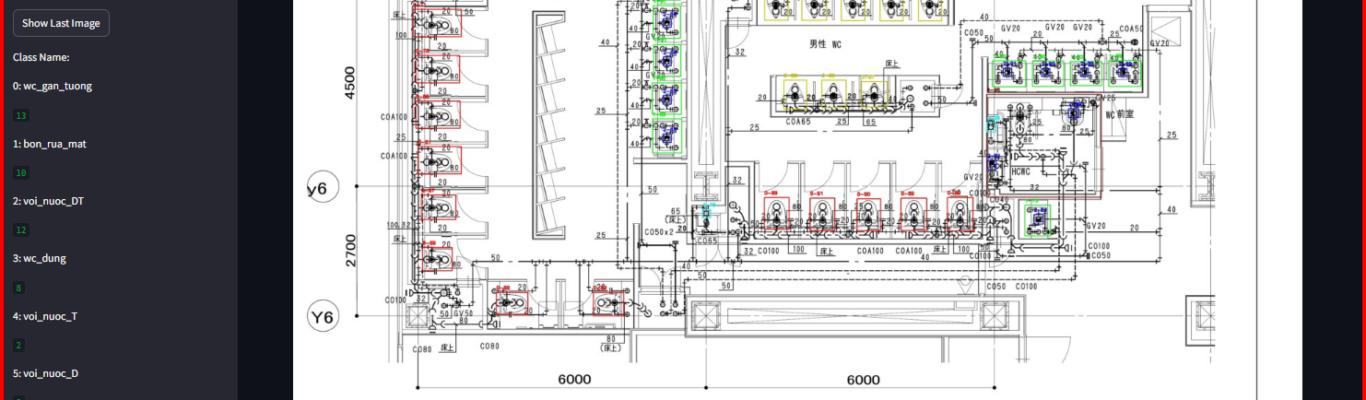
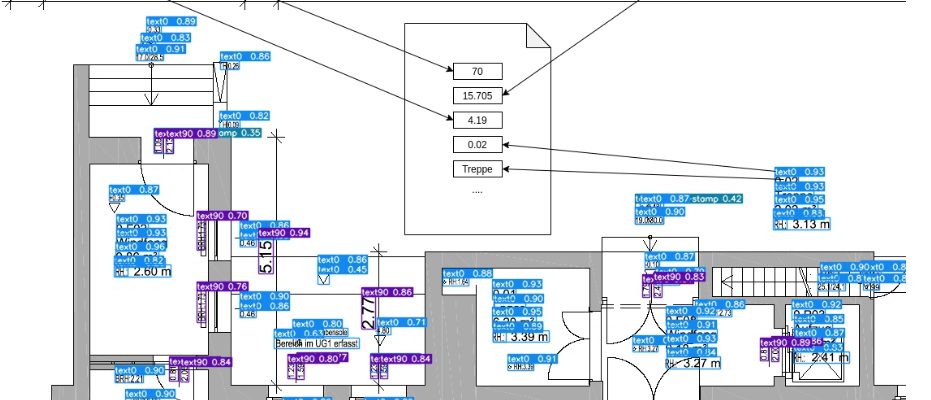
Savvycom built a YOLOv8 and PaddleOCR pipeline that processes scanned construction drawings regardless of scan quality or format. Object detection identifies material regions within complex blueprints. OCR extracts tables, quantities, and specifications from those regions. An automated API pipeline delivers structured output to estimation, procurement, and planning systems in real time.
Results
The solution cut operational costs by 20% and improved process automation by 65%, eliminating the manual bottleneck that had slowed material extraction across project phases. Overall productivity increased by 35%, allowing engineering teams to redirect time from document review to higher-value work. Manual data entry errors across procurement and estimation workflows dropped significantly, improving data consistency across projects.
Technical Overview
AI and ML: YOLOv8, PaddleOCR, OpenCV, TensorFlow
Languages: Python, JavaScript (React)
Frameworks: FastAPI, React
Data and Storage: PostgreSQL, Azure Blob Storage
Cloud Platform: Microsoft Azure
Deployment: Docker-based microservices
Let’s Talk About Your AI Journey


